
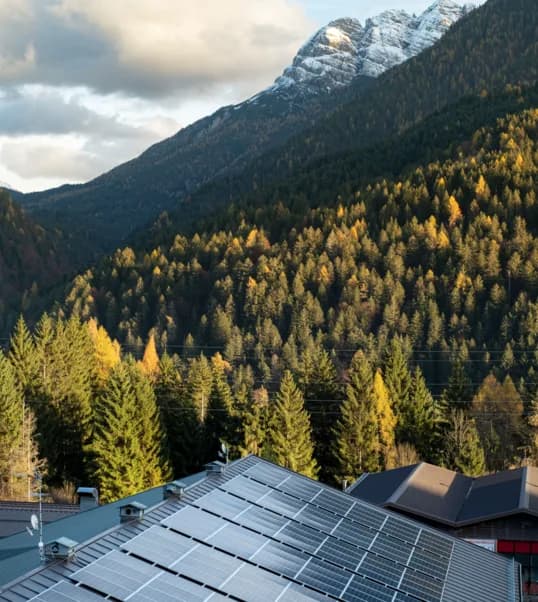
Heat pumps with solar system
How does a heat pump work?
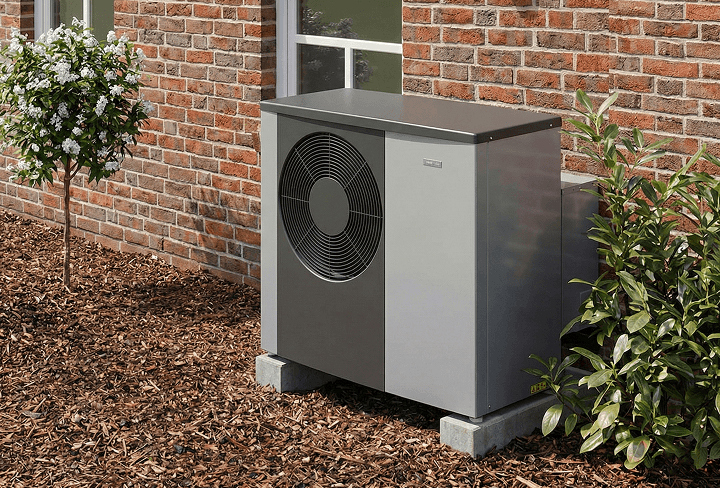
Heat pumps are highly efficient, quickly installed sustainable heating systems that extract energy from air, ground, or water (most commonly as air-to-water models), offering a reliable alternative to fossil fuels.
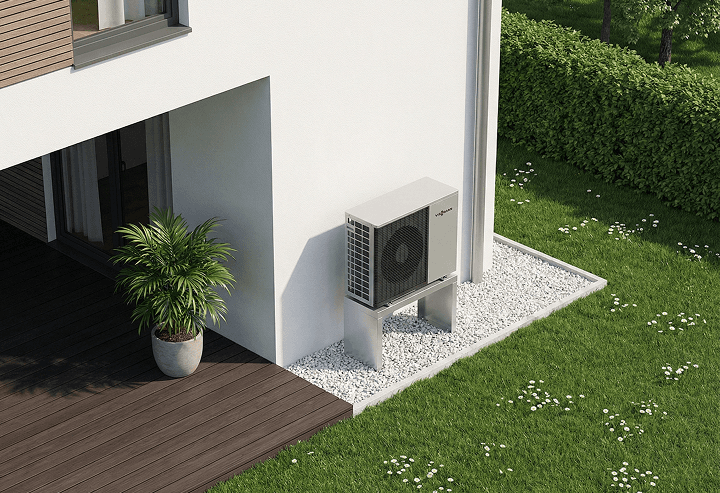
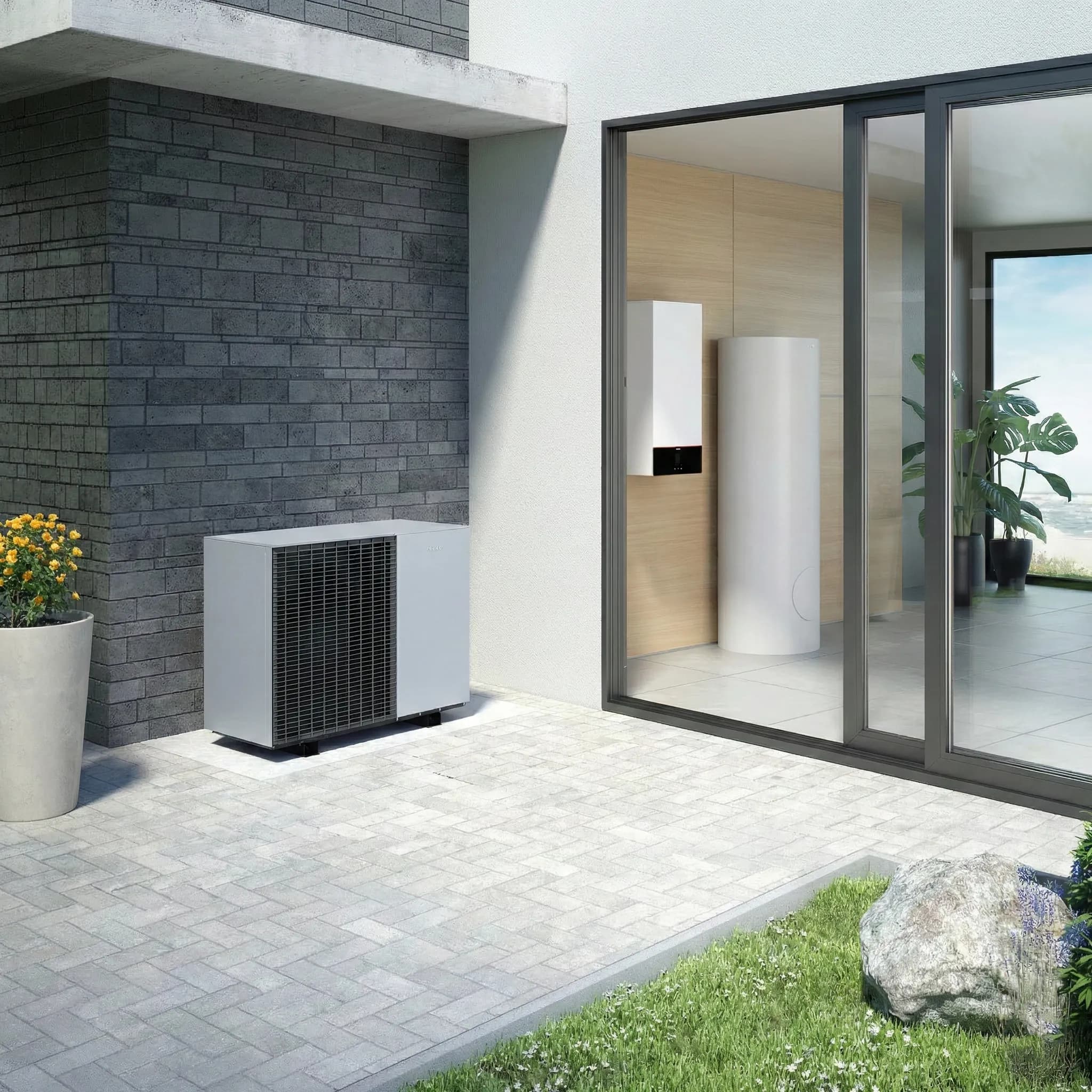
Advantages of your heat pump
Unlike oil heating, heat pumps burn no fuel and operate highly efficiently, generating four to five units of heat from one unit of electricity. Running on solar power, they produce almost no CO₂.
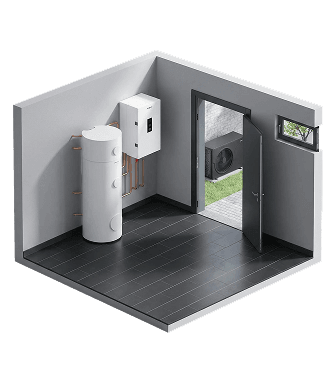
Heat pump + photovoltaics: the ideal combination
Although heat pumps require a higher upfront investment, they offer low operating costs and become even more economical with a photovoltaic system. In winter a heat pump raises monthly consumption, which easily moves into the blue or red zone, where a kWh costs more. Under net metering, summer surplus carries over month to month until 31 March and offsets higher-tariff (VT) consumption, including the heat pump's daytime use in winter. This applies to households that file their request with EDS by 31.12.2026. From 2027, new households are on net billing, so it pays to use as much of your own solar power as possible.
Boost solar self-consumption
Maximize the electricity you use yourself by adding a battery storage system, so excess solar power remains available when the sun isn't shining.

Heat with solar power
Combining photovoltaics with a heat pump lowers heating costs, boosts efficiency, and increases energy independence.
Optimize your energy efficiency
Solar power first supplies your household, heat pump, and EV, while excess energy is stored in a battery or fed into the grid. It can also heat domestic water, with smart controls optimizing distribution and maximizing system performance.
Costs and installation
Focusing only on purchase price is short-sighted, as oil heating often costs more over time due to higher operating expenses. Heat pumps and photovoltaic systems last around 20 years. Municipalities periodically subsidize energy efficiency measures, including solar systems, through public calls. We check with you whether the call in your municipality also covers a heat pump. Professional installation ensures optimal performance, whether integrating a new or existing solar system. With extensive project experience, we offer tailored solutions. Contact us for a personalized quote.