Energy storage
What is an energy storage?
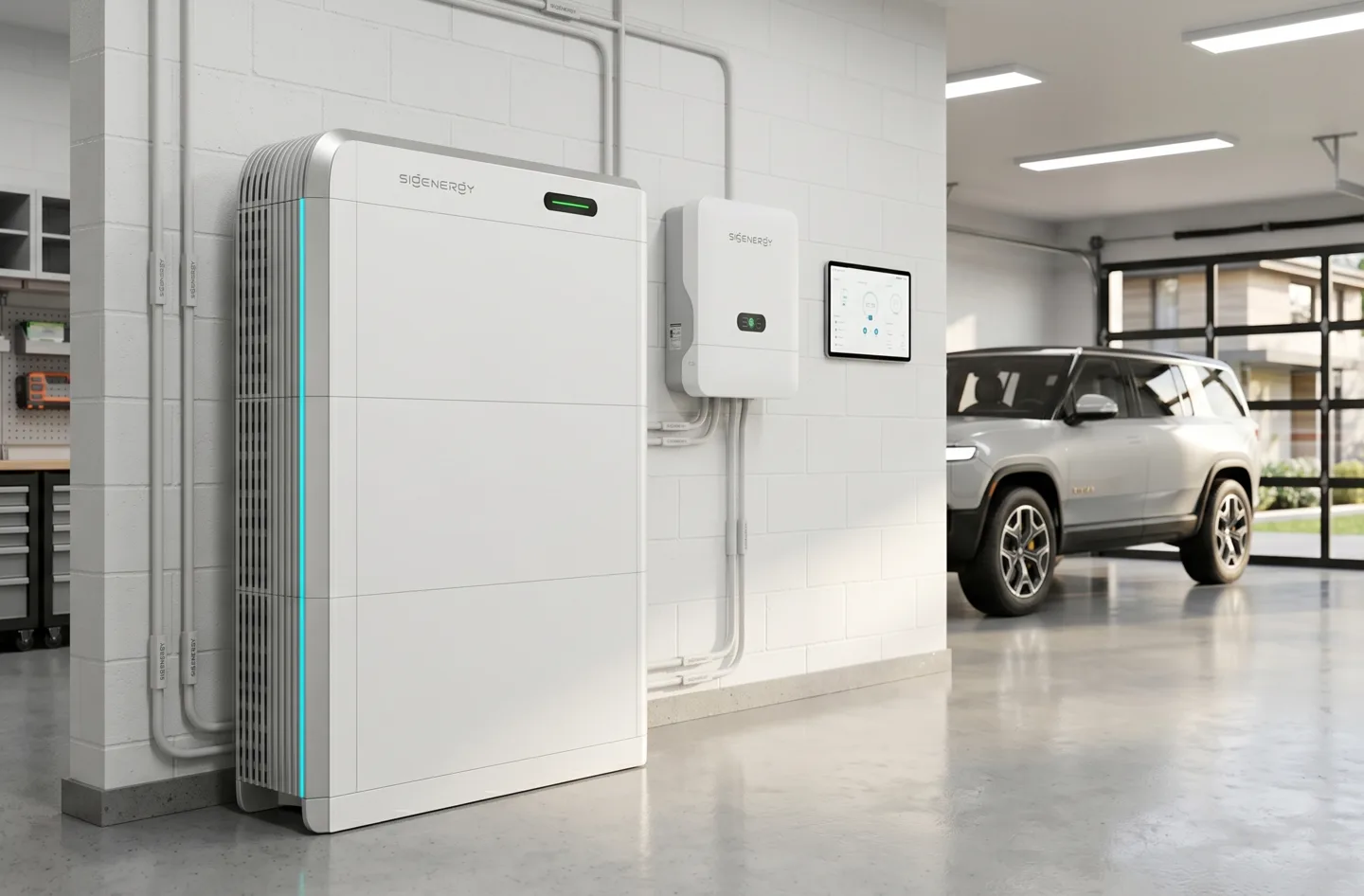
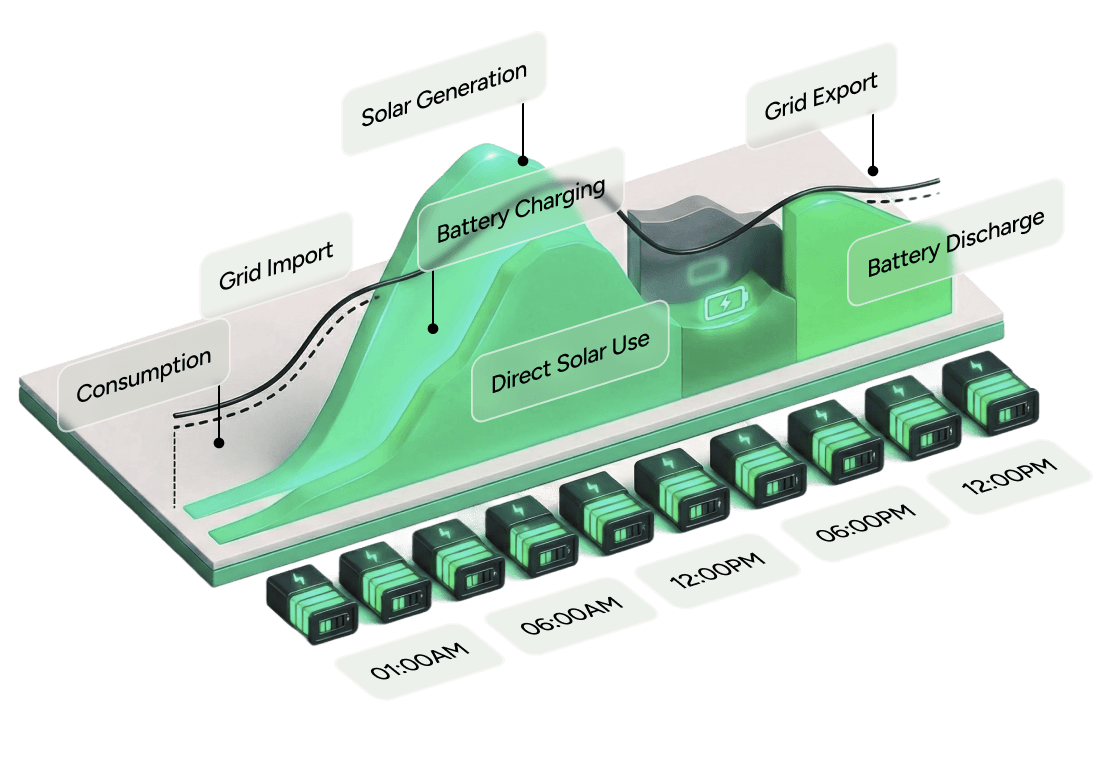
A battery storage system is the ideal complement to a solar power system, because households don't need as much solar power as they produce. The energy storage system stores the excess energy produced by the photovoltaic system during the day. Thanks to the battery storage, solar power is also available in the evenings, at night, and in the mornings.
Your benefits
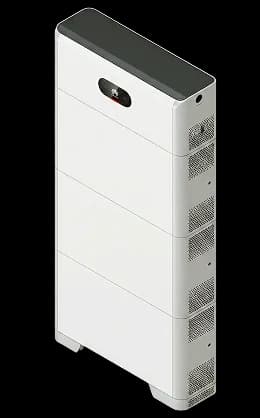
Huawei storage system at a glance
The perfect combination
Configure your own solar system in minutes with our solar calculator and receive an indicative estimate immediately:
When does a battery storage system make sense?
Solar panels produce the most electricity at midday, when household consumption is usually low. Households that file their request with EDS by 31.12.2026 get net metering. The grid effectively stores their surplus for free, in kWh, from month to month. Anything still unused on 31 March is forfeited. That makes a battery harder to justify under this model. From 2027, new households are on net billing, where the supplier contract sets the price of surplus. Then every kWh you use yourself is worth more, and a battery becomes more attractive.
With a suitable storage solution, self-consumption can be increased from around 65% to around 85%
How does an energy storage system work?
Solar energy can be used directly, stored in a battery, or fed into the grid. Excess power charges the battery, supplying the home from evening to morning. Grid power is used only when the battery is empty. Optimal performance depends on the right system and battery size, ideally combined with intelligent energy control.
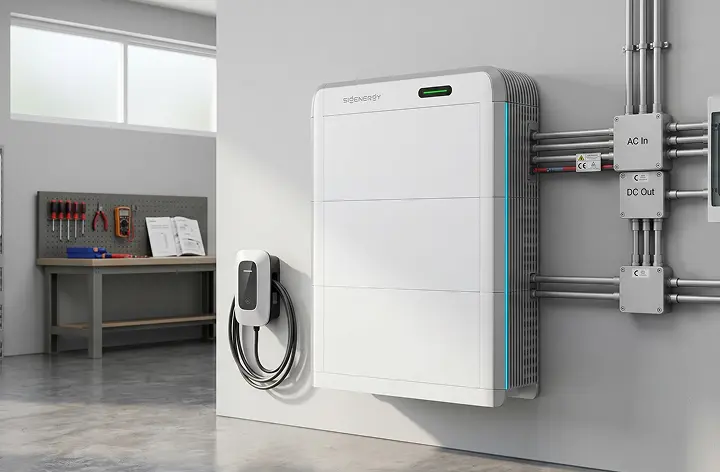
Battery Storage Installation
Based on your specific situation and needs, our experts will recommend either the AC or DC system. Installation is carried out by our experienced specialists, all of whom are certified by the manufacturer.
Our Storage Solutions
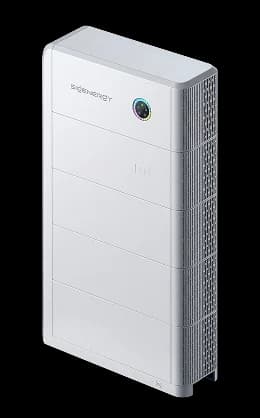
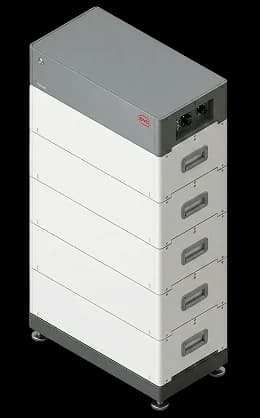
We install storage systems from leading manufacturers and offer you reliable, high-performance energy storage tailored to your needs.